Solutions
For pharma and healthcare
Control the evidence narrative in AI: see how AI talks about your molecules and indications, and which sources shape the market.
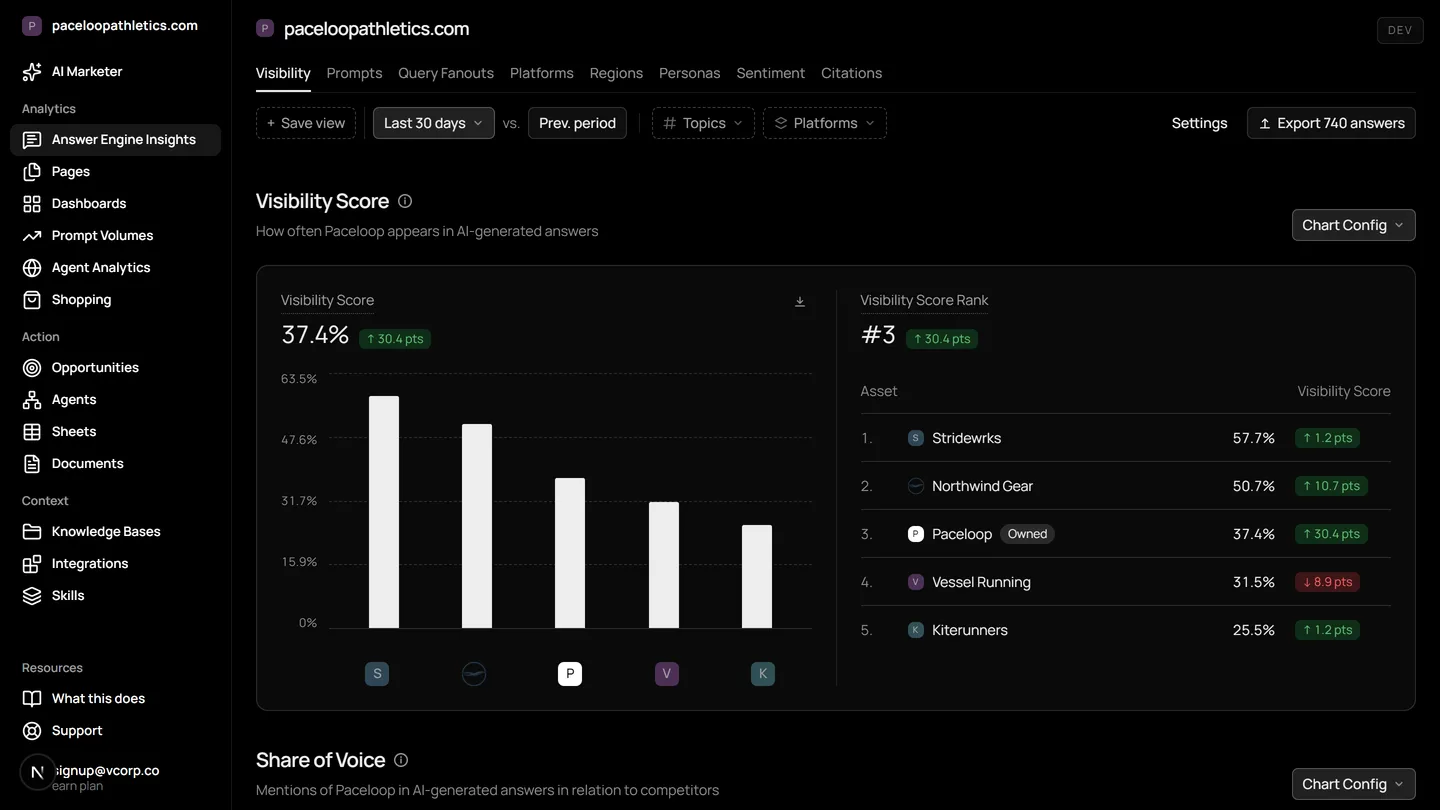
Mentionry is an AI marketing platform that provides AI search monitoring for pharma and healthcare brands, recording how answer engines like ChatGPT and Google AI Overviews discuss your molecules and indications daily, showing which sources they cite, and helping you influence the narrative with approved, evidence-based outreach.
How it works
The week, in the order it happens. Each step is a screen in the product.
See how AI talks about your molecules and indications
Every answer recorded word for word, dated, with the sources the engine cited.
See itInfluence the sources shaping the market
See whether your disease-state narrative is landing, and which journals and publishers drive it.
See it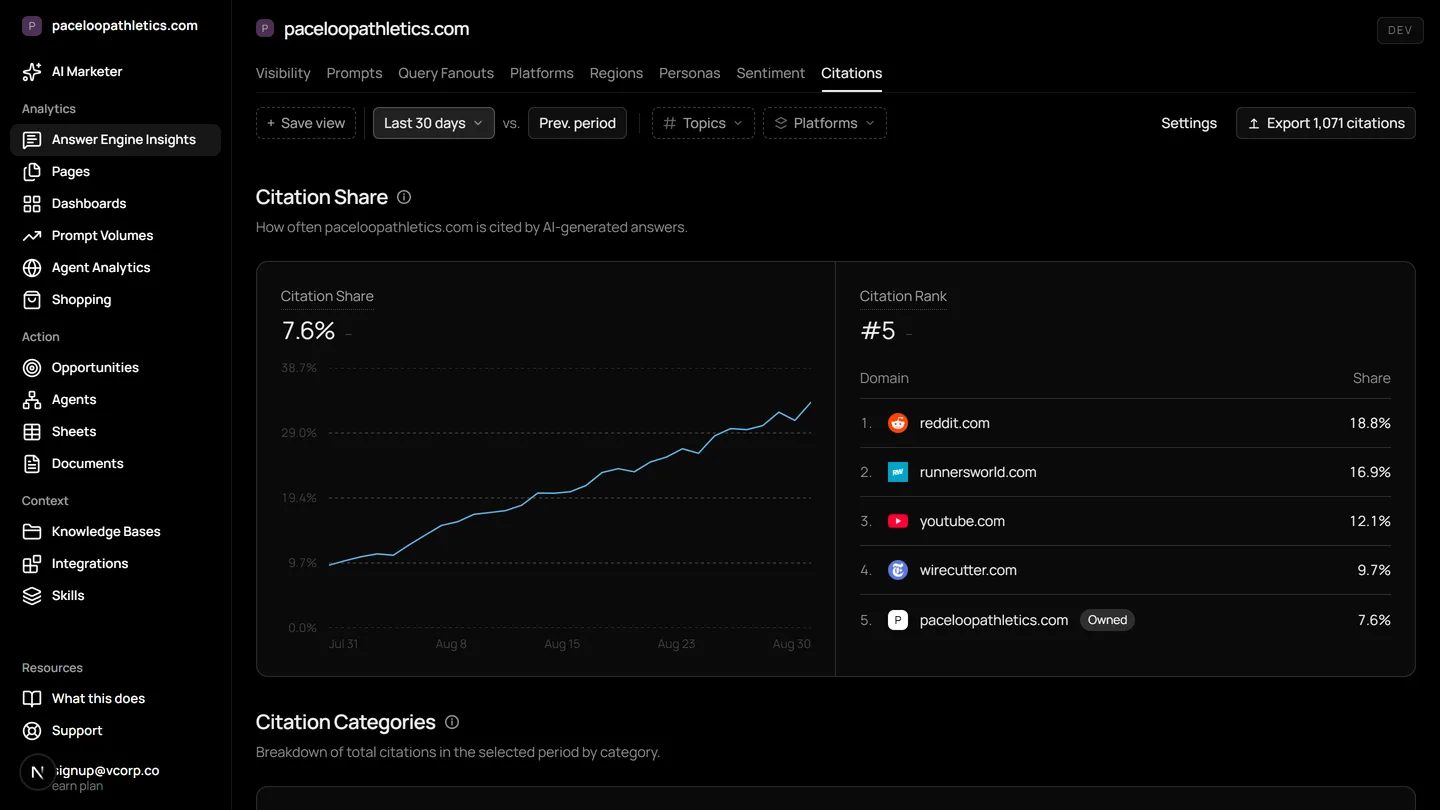
Keep AI aligned with your latest research
Sentiment readings with the page behind each theme, so an outdated claim comes with its origin.
See it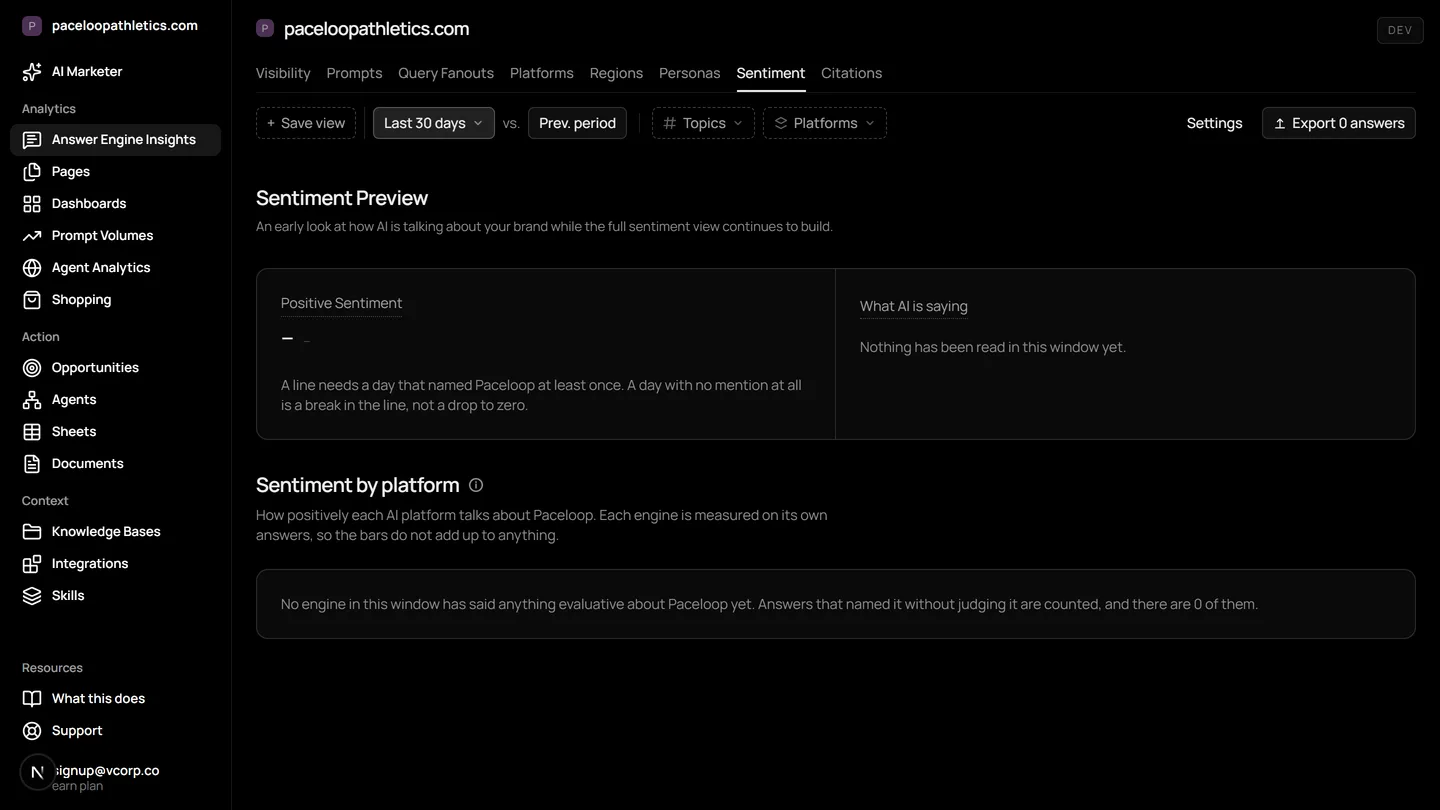
Review before anything moves
Drafts wait for approval; the approval gate cannot be removed.
See it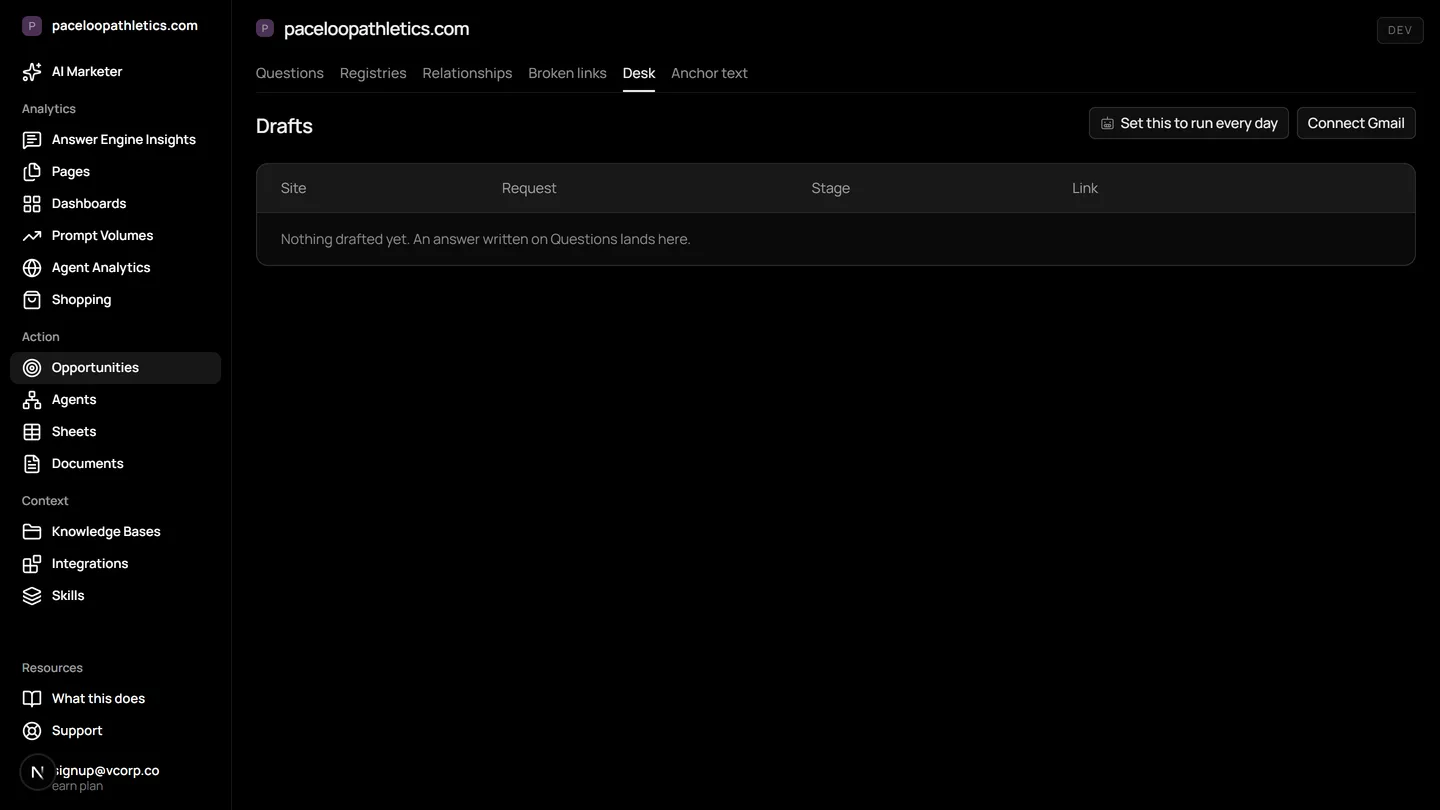
What to expect, and what not to
- Fact-checking answers against your own approved claims is not built yet. The archive is kept in full so it can run over history when it ships.
- Single sign-on and role-based access are Enterprise settings on the quote.
The problem for regulated brands in AI search
Your buyers, from healthcare professionals to informed patients, are asking AI assistants for information on treatment options, drug efficacy, and side effects. When ChatGPT, Gemini, or Google AI Overviews answer, they shape perceptions using sources you cannot fully see. You are measured on accurate, evidence-based communication, but you lack a system to monitor how AI discusses your molecules and indications, or which journals and media outlets it cites to build its narrative.
Without this visibility, you cannot systematically correct outdated information, understand why a competitor is mentioned more favorably, or proactively place your latest clinical data into the channels that influence these AI answers. This is the new challenge of AI search monitoring for pharma.
What a week with AI search monitoring for pharma looks like
You start in Answer Engine Insights. Here, you write the prompts your audiences ask, such as 'comparing efficacy of new migraine preventatives' or 'managing side effects of XYZ inhibitor'. Mentionry puts each prompt to your chosen engines daily. By Tuesday, you are reviewing full transcripts. You see not just if your brand is named, but the exact language used about your molecule and the specific URLs from PubMed, medical news sites, or competitor pages that the engine cited to build its answer.
Next, you open Citation Tracking & Analysis. This screen shows you whether your disease-state education narrative is landing. You see the share of voice between your drug and others, and a ranked list of the publishers and journals most frequently cited by AI when discussing this therapeutic area. This tells you which sources are currently shaping the market's understanding.
On Wednesday, you check Sentiment Tracking & Analysis. This goes beyond positive or negative. It shows themes like 'efficacy', 'safety profile', or 'cost', and links each theme to the specific source page the AI used. If an outdated claim about a side effect appears, you can immediately see the article that is the origin, enabling a precise response.
Finally, you move to Outreach & Distribution. When an opportunity arises, like a journalist seeking an expert on the topic or a published article citing a competitor, the AI Marketer drafts a pitch. That draft waits for you in the Desk. You review and approve every word before it is sent from your own email. The approval gate is always there.
What to measure and report to medical and brand teams
For leadership, you report on visibility and narrative control. Key metrics include your AI visibility score, which is how often your brand is named in answers for your key prompts. Your share of voice shows your mention volume against named competitors. The citation split is critical: it shows what percentage of citations come from your owned domains, your operated profiles, and earned media.
Sentiment themes provide qualitative depth for medical affairs, showing how your drug is characterized. You can report, 'AI answers currently emphasize our drug's efficacy but are citing a 2022 study for safety; we need to place our 2024 data.' Tracking the top five cited publishers shows where to focus your scientific communications efforts. All of this can be shown in dashboards per brand or indication.
Finding and drafting evidence-based opportunities
The Opportunities screen surfaces openings aligned with a regulated brand's mandate. It finds journalist requests for expert commentary on specific conditions, calls for papers from medical conferences, and articles that discuss a therapeutic area but cite only competitor data or outdated studies. Each opportunity is evaluated for fit with your expertise.
The AI Marketer drafts the correspondence. Using your brand kit and knowledge bases, it can draft a precise email to a journalist, a conference abstract, or a brief for a medical writer. It can also generate simple explanatory images or short video clips for internal training. Every output is a draft for your team to review, edit, and approve in the Documents section before any action is taken.
What to expect and what not to
Mentionry is built for control and auditability. You should expect a complete daily record of AI answers and their sources, tools to analyze the citation landscape, and a secure drafting and approval workflow for outreach. You should not expect automated placement, promised citations, or traffic promises. The platform shows you where you could credibly appear and helps you draft the approach, but the decision to cite your work rests with the publisher or editor.
- Fact-checking answers against your own approved claims is not built yet. The archive is kept in full so it can run over history when it ships.
- Single sign-on and role-based access are Enterprise settings on the quote.
- Prompt Volumes, which estimates search demand, is based on search data and is marked partly live.
- Proactive alerts for a sentiment drop are not built; you set up scheduled agents to monitor for changes.
- The AI Marketer can create video clips up to eight seconds, but edits and voice-over are not built.
How pharma and healthcare teams buy it
You begin with a trial, free for seven days on your own site. It runs 50 prompts a day through ChatGPT, Gemini, and Google AI Overviews. No credit card is required, and it ends automatically.
If it fits your workflow, the Starter plan is $99 a month. This covers one brand, reads daily from the three core engines, and includes 100 agent runs per month. For multi-brand portfolios, global regions, or requirements for engines like Claude or Perplexity, you need the Enterprise plan. Enterprise is custom quoted and includes single sign-on, role-based access, API keys, and a named contact. Pricing is never listed for Enterprise.
Questions
Yes, and there is no setting that skips it.
Get your brand mentioned by ChatGPT, Gemini and Google AI Overviews
Reach millions of consumers who are using AI to discover new products and brands. The first 7 days are free and take no card. Starter is $99 a month; Enterprise is tailored.