Monitor
Shopping
See how often your products surface, and in what order, when AI platforms enter Shopping mode.
- Reading your visibility on daily trainer prompts
- Checking prompt volumes for the topic
- Reading the adidas brand kit and product lines
Across the 14 “best daily trainer” prompts, Nike is named in 88% of answers. adidas is named in 41%. The engines cite Runner’s World and Wirecutter, and you have no page that answers the question.
The topic runs at 5,400 searches a month and is climbing in the assistants. It earns a page of its own.
Your brand kit puts Supernova, not Adizero, in front of everyday runners, so the page leads with the Supernova Rise 3 and keeps Adizero for fast days. Headlines uppercase, adidas lowercase, and the one health claim is the APMA seal it holds. Staged in Documents. Nothing is published.

Run your
Fastest
Everyday.
Thanks to Dreamstrike+ cushioning the Supernova Rise 3 carries the easy miles that make up most of a training week, and keeps Adizero for the days the plan says fast. Nine weeks on our test panel sit behind every pick.
Find your daily trainer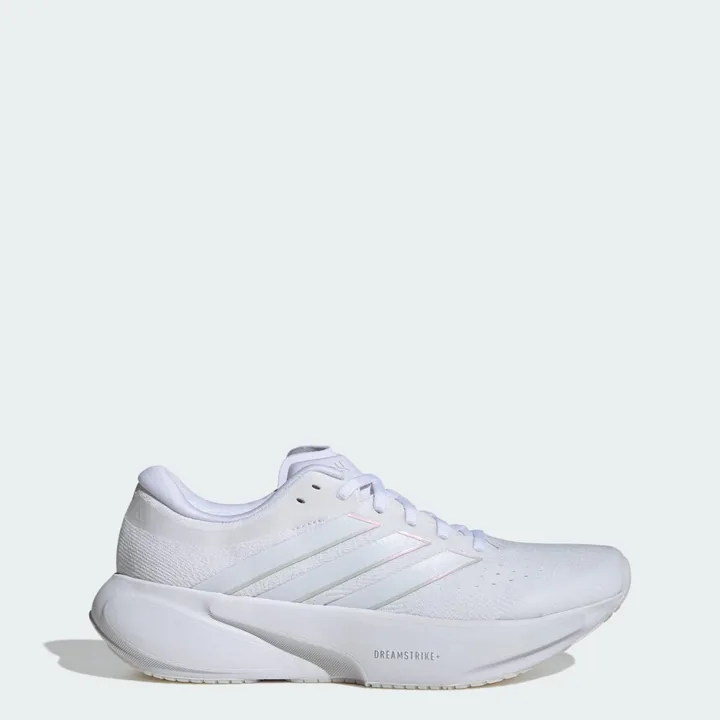
Drafted by your AI Marketer from the Adidas brand kit and product lines. Staged in Documents, not published. Example on the sample account.
ChatGPT shopping visibility is how often your products appear, and in what order, when buyers ask ChatGPT, Gemini, or Google AI Overviews for shopping advice. Mentionry records these AI shopping answers daily, showing which of your products surface, which retailers the engines cite, and where you are losing share to competitors. It measures visibility, not traffic, because the buyer’s journey now starts inside an AI paragraph.
Understand and control your AI presence
Shopping visibility
Track your baseline product visibility across shopping-triggered responses, by prompt and by product.
Merchant layer
Discover which third-party retailers and direct stores own your brand's checkout options and how share breaks down by merchant.
What is not there yet
- This screen is built and its stores are live; the daily capture of shopping answers is being verified against real prompts before it is switched on for every account. Until then it is available on request.
Where it lives in the platform
In the product it is /dashboard/shopping. On the trial it reads your own site from the first day; on Starter it keeps going, and on Enterprise it runs for every brand you have under one login.
What ChatGPT shopping visibility means now
ChatGPT shopping visibility is the new product search. When a buyer asks an AI engine for a recommendation, the answer is a short paragraph citing specific products and retailers. Your brand is either named in that paragraph or it is not. If it is named, it is either first or fifth. This moment determines consideration.
Traditional search visibility looked at rankings on a page of ten blue links. AI shopping visibility is binary: you are in the answer or you are invisible. The citation is the click. Tracking this requires reading the AI’s output every day, because the models change and the merchant data they pull from updates constantly.
Why AI shopping changes product discovery
In AI search, the engine makes a choice for the buyer. It does not list every option. It synthesizes and recommends. For shopping queries, ChatGPT, Gemini, and Google AI Overviews enter a mode where they pull from product feeds and retailer listings to generate a concise answer.
This means a smaller, more decisive consideration set. If your product is not surfaced, the buyer will not scroll to find it. There is no page two. Your share of voice in these answers becomes your market share in the conversation. Knowing your position, and your competitors', is the first step to influencing it.
How Mentionry tracks AI shopping results
Mentionry’s Shopping feature lives in the Monitor suite. You add the shopping prompts your buyers use. Each is put to the engines on your plan once per day. The system records the full answer text, every product named, every cited retailer URL, and the order they appeared.
The Shopping dashboard shows two core layers. The shopping visibility layer tracks your baseline product visibility across shopping-triggered responses, broken down by prompt and by product. The merchant layer shows which third-party retailers and direct stores own your brand’s checkout options in the AI’s answer, and how share breaks down by merchant.
You see a daily trend of visibility, average position, and share of voice against named competitors. All citations are split into owned, operated, and earned, so you know if the AI is citing your website, an Amazon listing, or a review blog.
How to use shopping visibility data
First, establish a baseline. Open the Shopping dashboard, filter to your flagship product line, and look at the past week. Note the prompts where you consistently appear and those where you are absent. This shows where your product market fit aligns with AI perception.
Second, investigate the merchant split. For a prompt where you have high visibility, check which retailers the AI cites. If it is always a marketplace like Amazon, your direct sales channel is being bypassed. You might prioritize updating your own product feed or create content targeting that specific query.
Third, act on gaps. Use the Opportunities screen, which lists pages that cite your competitors but not you. For a missing shopping prompt, you might find a ‘best of’ blog post or a YouTube review. The AI Marketer can draft a pitch to that publisher, using the data from your Shopping dashboard as the reason why your product should be included.
How to read the numbers, and the traps
A rise in visibility for a prompt means your products are being surfaced more often in answers. A drop means they are being replaced. The average position tells you if you are trending toward the top of the answer, where conversion is highest.
The merchant share shows who owns the commercial relationship. A high share for Amazon means the AI sees your brand as a marketplace item. A rise in direct store citations suggests your own e commerce feed is gaining traction.
The main trap is conflating visibility with traffic or sales. Mentionry measures the AI’s output, not the buyer’s click. Another trap is expecting perfect recall. AI shopping results are volatile; a single day’s reading is a snapshot, not a law. Look at trends over weeks.
What the Shopping feature does not do yet
The Shopping screen is built and its stores are live. However, the daily capture of shopping answers is being verified against real user prompts before it is switched on for every account. Until then, it is available on request. This ensures the data is robust.
This feature does not track shopping results from Microsoft Copilot, Grok, or DeepSeek. It does not estimate sales or conversion rates from AI citations. It cannot proactively alert you to a visibility drop outside of a scheduled agent you set up. It records what is, so you can decide what to do next.
Plans and access
Shopping visibility is part of the Monitor suite. On the free seven day trial, you can track 50 prompts a day across ChatGPT, Gemini, and Google AI Overviews. The Starter plan, at $99 a month, includes daily reads on those three engines, for one brand.
Enterprise plans are quoted. They include more brands under one login, up to nine answer engines, higher prompt limits, and multiple regions. Recording starts the day a prompt is added; there is no historical backfill. If your brand is never mentioned in a reading, it has no average position.
Questions
ChatGPT Shopping, where the merchant layer exists today. Other engines' product answers are read as ordinary answers.
Get your brand mentioned by the answer engines
Reach millions of consumers who are using AI to discover new products and brands. The first 7 days are free and take no card; Starter is $99 a month after that, and Enterprise is tailored.