Construcción de enlaces
Niche edits
A niche edit is a link you pay to have inserted into an existing article on another site. The market sells them, Google's policy forbids them, and the penalty lands on your site. Here is what is actually happening and what to do instead.
- Reading your visibility on daily trainer prompts
- Checking prompt volumes for the topic
- Reading the adidas brand kit and product lines
Across the 14 “best daily trainer” prompts, Nike is named in 88% of answers. adidas is named in 41%. The engines cite Runner’s World and Wirecutter, and you have no page that answers the question.
The topic runs at 5,400 searches a month and is climbing in the assistants. It earns a page of its own.
Your brand kit puts Supernova, not Adizero, in front of everyday runners, so the page leads with the Supernova Rise 3 and keeps Adizero for fast days. Headlines uppercase, adidas lowercase, and the one health claim is the APMA seal it holds. Staged in Documents. Nothing is published.

Run your
Fastest
Everyday.
Thanks to Dreamstrike+ cushioning the Supernova Rise 3 carries the easy miles that make up most of a training week, and keeps Adizero for the days the plan says fast. Nine weeks on our test panel sit behind every pick.
Find your daily trainer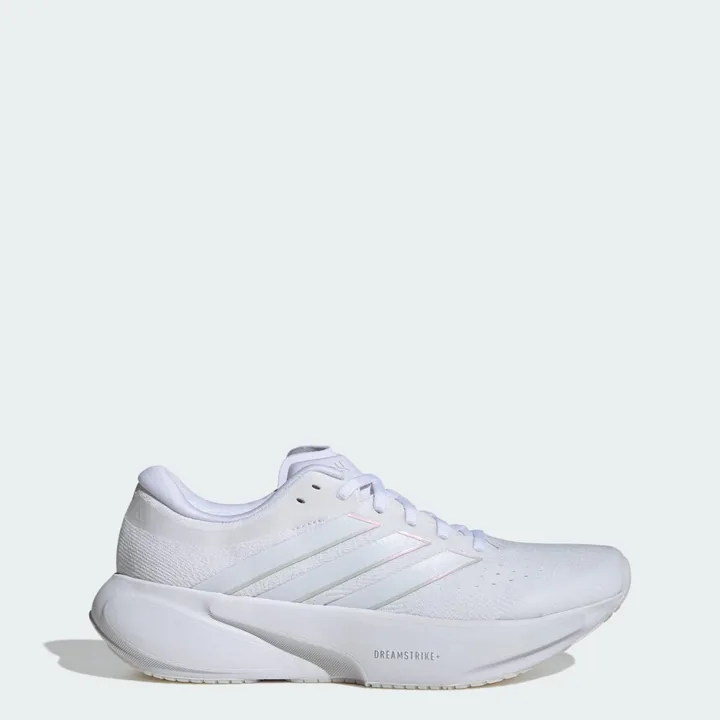
Drafted by your AI Marketer from the Adidas brand kit and product lines. Staged in Documents, not published. Example on the sample account.
Niche edits are links placed into existing articles on other websites in exchange for payment, a practice that violates Google's link spam policy when the link is intended to pass ranking signals.
What it refuses to do
It will not find you a paid placement
“This reply asks for payment in exchange for a link. I will not write that response.”
It will not say a page is unlinked when it could not read it
“Unchecked: this page returned 403 and was not read.”
It will not send from a domain of ours
“No mailbox connected. Three drafts are ready and none of them has been sent.”
En esta página6 secciones
What a niche edit actually is
A niche edit, also called a link insertion, is a business transaction. You pay a website owner or a broker to add a link to your site within an article they have already published. The page is not written for you. The link is simply inserted, often with anchor text you specify.
The appeal is direct. You get a link on a page Google already knows about, in a context relevant to your business, without having to create new content or build a relationship. The page may already have traffic and authority. For a site owner, it is monetizing an existing asset. The short-term maths can look compelling, especially compared to the effort of earning a link through outreach or content creation.
How the market works and what it charges
The market operates on a pay-for-placement model. Vendors broker the transaction, guaranteeing a link on a domain meeting a minimum Domain Rating score. The price scales with that score. Respona, for example, publishes prices from $100 for a placement on a DR 20+ publisher to $500 for DR 60+. The service includes finding the site, drafting the content, and securing the link, with the client controlling the anchor text and target URL.
Another model is the monthly subscription for a guaranteed number of links. Backlinker.ai charges $300 per month for three or more links from domains with a DR of 30 or higher, with a money-back guarantee if the count is not met. Their service pitches journalists on your behalf, often using platforms like Featured.com, which itself costs $79 per month for direct access.
The risk is a manual penalty on your site
Google's link spam policy is explicit. Exchanging money, goods, or services for a link that passes ranking signals is a violation. The policy names buying links directly. The penalty is applied to the site being linked to, not the seller. A manual action can drop a site out of search results entirely until the problematic links are disavowed or removed.
The compliant alternative removes the value. A paid link should carry the rel="sponsored" or rel="nofollow" attribute, which tells Google not to pass ranking signals. Most buyers of niche edits are not seeking a nofollow link for traffic alone, they are buying it for SEO. The vendor's guarantee cannot protect you from the policy. The risk is yours.
How to judge a link building provider
First, ask what is being sold. Is it a guaranteed placement on a specific domain, or is it the service of sending pitches from your own address? A guarantee of placement is a signal of a paid link scheme. A service that sends emails makes no promise about the recipient's actions.
Second, check where the links come from. A case study from Backlinker.ai reported 117 links in ten months, with 102 of them coming from a single contributor platform, Featured.com. You can subscribe to that platform yourself for $79 a month. Understand what you are paying for, access or execution.
Third, examine the content. If a vendor shows an example article with a quote attributed to you that is labelled "AI-Generated Quote", you are not being interviewed. A model is writing a quote to fit a link into a narrative. This is a manufactured citation, not earned coverage.
What Mentionry does instead
Mentionry is an AI marketing platform. It finds the specific places a business could earn a mention or a link, and drafts the pitch you have to send. It does not place or publish anything. It sends from your own connected mailbox after you approve. Whether a link then appears is the publisher's decision.
It works by analyzing your domain and your competitors. One engine finds pages that link to your competitors but not to you, plus resource pages and directories. Another finds journalists asking for sources, podcasts booking guests, and articles that already mention you without a link. Every opportunity comes with a drafted email you review and send yourself.
The distinction matters. Sending a pitch and placing a link are different acts. Mentionry only does the first. It refuses to draft replies that offer payment for a link. A measured run for one domain found 110 openings, judged 40 as viable, and kept 14 for outreach. The filtering is the product, not the volume of promises.
The practical alternative to buying links
The alternative is to earn links by being a relevant, useful source. This means identifying real opportunities where someone might genuinely want to link to you, and then asking. Mentionry automates the finding and the drafting, but the send is from you and the reply comes to you.
For example, if a news article mentions your company name but does not link to your site, that is an opening for a polite request. If a resource page lists tools in your category but omits yours, you can suggest an addition. If a journalist publishes a query looking for an expert, you can answer it. These are earned links. They carry no policy violation, and they often come with referral traffic and genuine recognition.
This process is not passive. It requires judgment and a willingness to hear no. But it builds real connections, and the links you get are durable because they were given, not sold.
Preguntas que la gente realmente hace
Yes, if the paid link is intended to pass ranking signals. Google's link spam policy states that exchanging money for links is a violation. The penalty is a manual action applied to the site that bought the link, which can remove it from search results. The only compliant way to place a paid link is to use the rel="sponsored" attribute, which most SEO buyers do not want because it does not pass ranking value.